

wall glass mirror design
Understanding Screw Thread Gauges An Essential Tool for Precision Engineering In the world of industrial manufacturing, precision is paramount. Each component must fit perfectly to ensure the functionality and safety of the overall assembly. One of the crucial instruments that aid in achieving such precision is the screw thread gauge. This article delves into the significance, types, and applications of screw thread gauges in various industries. A screw thread gauge, often referred to as a thread gauge or thread measuring tool, is a device used to measure the pitch and diameter of screw threads. These gauges are essential for verifying the accuracy of threaded parts and ensuring they conform to the specifications set forth by industry standards. In many applications, an incorrect thread can lead to manufacturing failures, equipment malfunctions, and safety hazards. Screw thread gauges come in various forms, each designed to serve specific purposes. The most common types include 1. Go/No-Go Gauges These gauges help determine if a thread is within specified tolerances. The 'Go' gauge checks if the thread can accept a standard screw, while the 'No-Go' gauge ensures that the thread is not too loose or oversized. This binary approach simplifies the measurement process, allowing for quick checks on thread accuracy. 2. Thread Pitch Gauges These devices consist of a series of blades, each with a different tooth spacing, which helps measure the pitch of the thread quickly. By aligning the appropriate blade with the thread, an engineer can easily determine the pitch, which is the distance between threaded ridges. 3. Plug and Ring Gauges Used for more precise measurements, these gauges help determine internal and external thread dimensions. Plug gauges are inserted into a threaded hole to check internal dimensions, whereas ring gauges are placed over external threads. This type of measuring tool is essential in quality control processes. screw thread gauge 4. Calipers and Micrometers Although not exclusively thread gauges, these tools are often used in conjunction with screw thread gauges for more detailed measurements . Calipers allow for broad measurements of diameter, while micrometers provide high precision in measuring small dimensions. The applications of screw thread gauges extend across a multitude of industries. In automotive manufacturing, for instance, screws and bolts are critical components in engine assembly. A slight deviation in thread dimensions can result in engine failure. Hence, manufacturers rely on thread gauges to ensure each component meets stringent specifications. Similarly, in aerospace engineering, where safety is non-negotiable, screw thread gauges are indispensable. Every component, from landing gears to fuel systems, requires precise threads to maintain structural integrity and performance. Inadequate measurements can result in catastrophic failures, emphasizing the importance of these gauges. In the realm of electronics, screw thread gauges help ensure that fasteners used in devices like smartphones and tablets fit securely. As technologies shrink and components become more delicate, the demand for precision has never been higher. The construction industry also benefits from screw thread gauges, especially in the assembly of structural components where bolts with specific thread characteristics are employed to ensure durability and safety. In conclusion, screw thread gauges are essential tools that underpin the quality and reliability of threaded components across various industries. Their ability to ensure precise measurements fosters a culture of safety and efficiency, allowing manufacturers to produce high-quality products. As industries continue to advance, the importance of accurate measurement tools like screw thread gauges will remain critical in meeting the demands of modern engineering and manufacturing standards.
about
wall glass mirror design
Understanding Standard Pin Gauges Essential Tools in Precision Measurement In the realm of precision engineering, accurate measurement is paramount. One of the essential tools used for this purpose is the standard pin gauge. Pin gauges are widely utilized in various sectors, including manufacturing, quality control, and mechanical engineering, to ensure that components meet stringent tolerances and specifications. In this article, we will explore the significance of standard pin gauges, their design, applications, and best practices for utilization. What is a Standard Pin Gauge? A standard pin gauge is a cylindrical rod, typically made of high-carbon steel or stainless steel, designed to check the size or diameter of holes and slots in various materials. These gauges come in standard sizes, which can be used to determine whether the measurements of a component fall within specified tolerances. Pin gauges are available in both go and no-go variants, allowing users to confirm that a hole is correctly sized. The go gauge should fit into the hole, while the no-go gauge should not. Design and Construction Standard pin gauges feature a simple yet effective design. They are usually formed into a set of rods, each varying in diameter, and are often calibrated to high standards to ensure precision. The ends of these gauges are often ground to a fine finish to provide a clear, accurate measurement. Additionally, some pin gauges might be coated or treated to enhance durability and resistance to wear. The sizes of pin gauges are standardized, with increments in diameter typically available from just a fraction of a millimeter up to several millimeters. This standardization ensures compatibility across different industries and sectors, making it easy for engineers and quality control personnel to communicate and understand specifications. Applications of Standard Pin Gauges Standard pin gauges have a variety of applications across different fields 1. Quality Control In manufacturing environments, pin gauges play a crucial role in quality assurance. They are used to verify that components meet dimensional specifications, helping to ensure that manufactured parts fit together correctly. 2. Assembly Processes During assembly, pin gauges can be employed to check for proper alignment and fitting of parts. This is particularly important in industries such as automotive and aerospace, where precision is critical. standard pin gauge 3. Toolmaking Toolmakers often use pin gauges to ensure that tooling and dies are manufactured to correct specifications. This is essential for ensuring the overall quality of production processes. 4. Calibration Pin gauges can also serve as reference standards used to calibrate other measuring instruments, helping maintain accuracy in various measurement systems. Best Practices for Using Standard Pin Gauges For effective utilization of pin gauges, consider the following best practices - Storage Always store pin gauges in a protective container to prevent damage. Moisture, dust, and other environmental factors can lead to degradation in accuracy and performance. - Cleaning Regularly inspect and clean pin gauges to remove any dirt or contaminants. This will help maintain their precision and extend their lifespan. - Calibration Checks Periodically check the calibration of your pin gauges against known standards to ensure ongoing accuracy. This is particularly important in high-precision environments. - Usage Technique When using a pin gauge, ensure that you insert it gently into the hole without forcing it. Forcing can lead to false readings or damage to both the gauge and the workpiece. - Go/No-Go Concept Always employ the go/no-go approach to facilitate quick and effective assessments of measurement tolerances. This method simplifies the process of determining whether a component is suitable for its intended application. Conclusion Standard pin gauges are indispensable tools in the field of precision measurement. Their simplicity, accuracy, and versatility make them suitable for a wide array of applications across different industries. Understanding how to use these gauges effectively can significantly enhance quality control processes and ensure that manufacturing meets high standards of precision and accuracy. By adhering to best practices for storage, cleaning, and calibration, users can maximize the utility and lifespan of pin gauges, contributing to overall operational efficiency. In a world where precision is crucial, standard pin gauges stand out as a reliable ally in achieving excellence in measurement.
-

High quality industrial productsagement

High quality industrial products
View Details -

Meet the diverse needs of customers

Meet the diverse needs of customers
View Details -

Strict quality control

Strict quality control
View Details -

Top raw materials

Top raw materials
View Details -

Trusted supplier

Trusted supplier
View Details
Our application


news and information
Wichtigkeit der Genauigkeit in der modernen Mess- und Regeltechnik
Der Einfluss von Gauge C auf die moderne Technologie In der heutigen digitalen Welt spielen Präzisio
Y filtre en fonte
Le Strainer Y en Fonte Un Équipement Indispensable pour l’Industrie Dans le domaine de l’industrie,
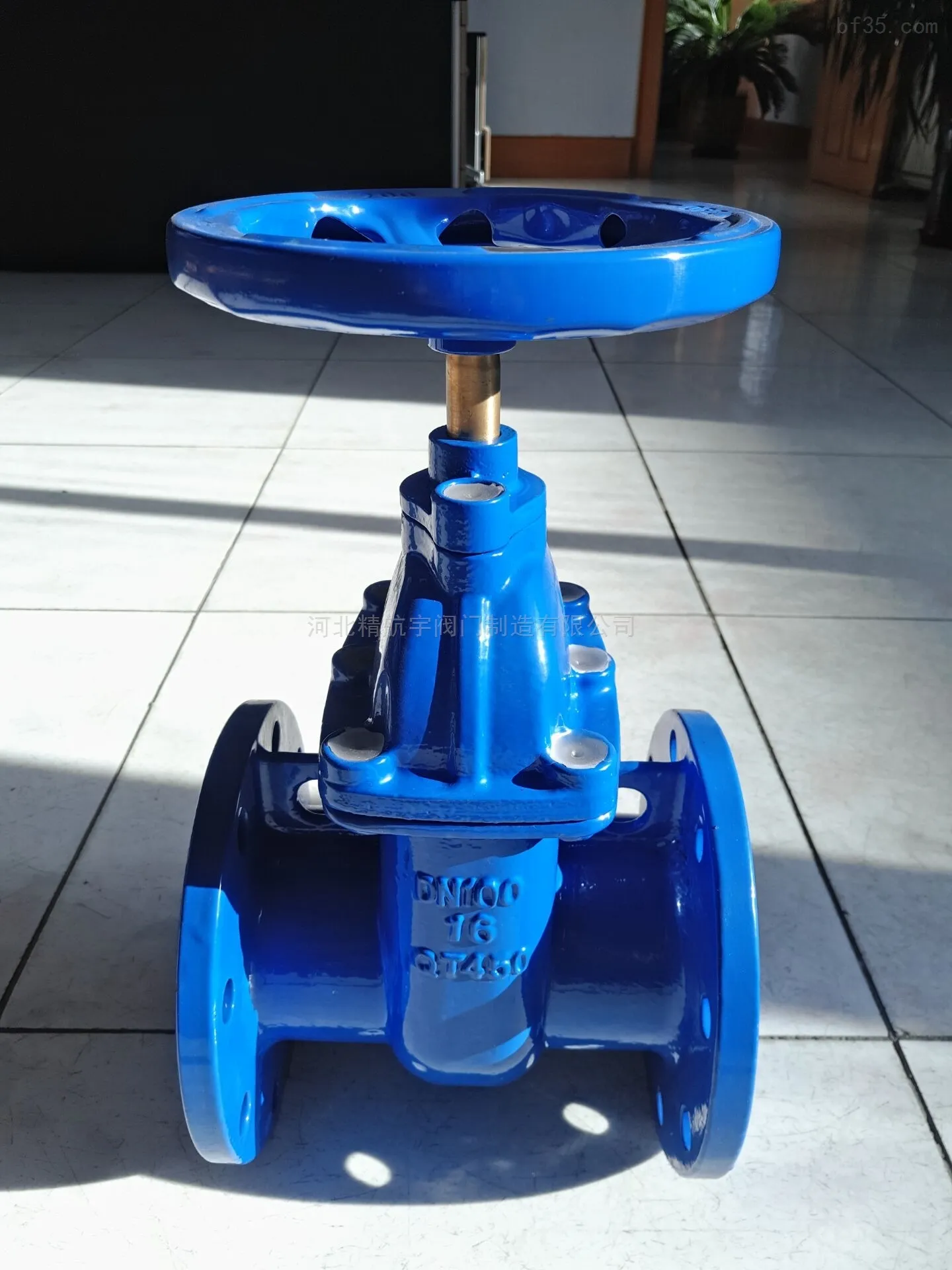
water flow control valve types
The innovative technology behind water control valves has dramatically revolutionized the way indust
 English